

Ensuring a safe space to process disenfranchised grief and compassion fatigue is critical to fostering a positive work environment. In the age of social media, mindfulness apps, employee portals, and near constant access to technology, this safe space can be harder and harder to find and maintain.
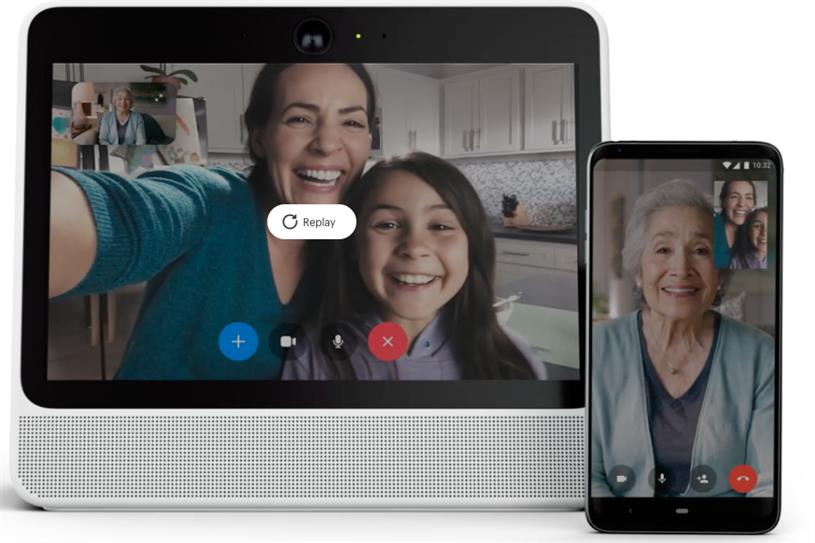
In a time of distant socializing due to the COVID-19 pandemic, social media has proven to be a blessing in the form of virtual happy hours, watch parties, and video conferences. Connecting with other nurses is one way of reducing compassion fatigue (Blackburn, Thompson, Frankenfield, Harding, & Lindsey, 2020). Sharing feelings of compassion fatigue and disenfranchised grief can be incredibly empowering to nurses and can create strong bonds with coworkers. As a pediatric oncology nurse myself, I value the time I spend with my coworkers outside of work where we get to vent about difficult emotions and challenging situations, all while respecting HIPAA.

It gets trickier when nurses reach out to discuss compassion fatigue on social media. On public forums like this, nurses are bound to get a mixed reaction from people on social media. Just as people are telling nurses that working in dangerous conditions during a pandemic is what they signed up for, people are bound to tell nurses that grief comes with the job of caring for acutely ill patients.
Sharing vulnerable feelings on a public platform is scary for any person, but especially nurses who are talking about how hard it is to care for patients and take care of themselves. When speaking of the challenges of working in healthcare, nurses must be careful to discuss their resiliency and willingness to be 100% at work. Otherwise, people may think the nurse is not capable of being safe with patient care It can be a double-edged sword when nurses are looking for social support and compassion, and they are met with criticism and judgement. What’s worse is that someone could report that nurse to the workplace for compassion fatigue. If the workplace does not have a robust system in place to understand and decrease compassion fatigue, then the nurse may face some type of disciplinary action.
However, as more and more organizations understand the negative consequences of compassion fatigue and burnout, these organizations are implementing more interventions to help take better care of nurses and keep them on the job. Some of these interventions include technology. For example, the utilization of mindfulness apps is one technological innovation that benefits nurses. Headspace is a popular app that is currently offering free use of its upgraded features for healthcare workers in light of the increased workload due to the COVID-19 pandemic. The use of this app is not tracked by specific hospitals, but is rather a resource that healthcare providers can use on their own time to increase mindfulness and decrease stress.
Telehealth mental health services are another technological advancement that has been beneficial for nurses. Many employee assistance programs have an option to call in to a live mental health provider to discuss acute concerns. More mental health providers are offering telehealth services in light of the COVID-19 restrictions. While these options are a wonderful resource during a time of social distancing, they do carry an increased risk of loss of privacy. Nurses may have a hard time identifying a safe place at home to talk about their concerns without the risk of being overheard. If there are children at home because school is cancelled or a husband or wife is working from home, then nurses may not feel comfortable talking about the day to day struggles and anxieties about life, work, and the world. There are resources available on how to create a safe space at home, if nurses are in a home and financial situation to do so.
References
Blackburn, L. M., Thompson, K., Frankenfield, R., Harding, A., & Lindsey, A. (2020). The THRIVE program: Building oncology nurse resiliency through self-care strategies. Oncology Nursing Forum, 47(1), E25-E34. https://doi.org/10.1188/20.ONF.E25-E34
 Nurses and Compassion Fatigue
Hello,
This was an interesting blog page on a very important issue. My sister-in-law is a principal, and she has told me about her special-education teachers who were getting compassion fatigue and different things their school was doing to combat that. Interestingly I found an article on how special education teachers were experiencing compassion fatigue similar to nurses.
Sharp, Siegrist, and Garrett-Wright (2018) state that social support and close relationships with colleagues and other special-education teachers at other schools is an effective way to facilitate coping with stress. Employee portals, as you mentioned, is an excellent way for nurses, teachers, and other professionals who experience compassion fatigue to destress and improve their satisfaction with their work and life. Wholeness and healing can be accomplished through healthy and therapeutic relationships (Boeck, 2014).
References
Boeck, P. (2014). Presence: A Concept Analysis. SAGE Open, 4(1), SAGE Open, 20 March 2014, Vol.4(1). doi: 10.1177/2158244014527990
Sharp, D., Siegrist, B., & Garrett-Wright, D. (2018). Addressing compassion fatigue and stress of special education teachers and professional staff using mindfulness and prayer. The Journal of School Nursing, 34(6), 442-448. doi: 10.1177/1059840517725789
LikeLike
I have enjoyed your blog this semester, but it has become especially relevant during this time. I know that no matter what area of nursing people are working in, they are experiencing some type of fatigue and burnout. Whether it is due to the stress of caring for individuals who are rule out or confirmed positive COVID-19 patients or fearing that they will not have the protection needed when the time comes or simply from the stress of others looking to us for answers and direction during this time. I honestly wonder what the mental health of all healthcare workers will look like by the end of this pandemic. The American Psychiatric Nurses Association (2020) released tips and reminders for how to manage stress during this time. They discuss how nurses are especially susceptible to Secondary Traumatic Stress as it is a natural and common side effect of working with traumatized individuals. There are cognitive, behavioral, emotional, and physical symptoms, but it is treatable utilizing some of the methods you discussed in your post, like breathing exercises, meditation, and maintaining social connections through technology. I agree with you that the stress is even harder to deal with due to social distancing. So often we rely on one another to vent to someone who can truly understand what we are going through, especially through in person discussions and physical touch. I hope you are staying well during this time!
Reference
American Psychiatric Nurses Association (2020). Managing stress & self-care during COVID-19: Information for nurses. Retrieved from https://www.apna.org/m/pages.cfm?pageID=6685
LikeLike
Your blog is exactly is what we need in this pandemic. Nurse compassion fatigue is very real even in normal circumstances. Self-care is essential in making sure that we are taking care of ourselves so that we can then take care of our patients. I am currently in radiation treatment for my cervical/ovarian cancer and the nurses keep me going, They always have a smile on their face and positive vibes each time I see them. It has to be difficult to see their patients struggling and have to still be positive and encouraging. We all signed up to help people but compassion fatigue and self-care was not a topic covered in my nursing program until now. Peters (2018), reported that all nurses are at risk for compassion fatigue and ways to prevent it from happening include setting healthy boundaries, self-care measures, self-awareness, and education. I know recently nurses have vented to each other through social media and it got them into some trouble with human resources because they listed the hospital in their profile where they work. The hospital felt that it was shinning a negative light on the hospital, so therefore I agree social media platforms can be a trouble spot to voice or vent your feelings. Another app that is popular and has been helpful to me is the Calm app. It had small 3 and 5 min mindful sets to help in the moments when you feel overwhelmed and don’t take up too much time.
Reference
Peters, E. (2018).Compassion fatigue in nursing: A concept analysis.Nurs Forum 53(4):466-480. doi: 10.1111/nuf.12274.
LikeLike
This is an awesome blog. Improving the patient experience requires healthcare facilities to develop practices to reduce Compassion Fatigue (CF) while nurses are interested in self-care, they also struggle to allocate enough time to these practices. The connections formed during nurse-patient relationships lead to a sense of compassion satisfaction in nursing. CF is the umbrella result of compassion satisfaction, trauma, and burnout.
Providing nurses the tools, education, and support to implement self-care practices on the unit can help reduce CF. Nurses were taught to use the ART model (acknowledge, recognize, and turn outward) and educated on mindfulness, compassionate caring, and self-actualization. For example, nurses experiencing a difficult situation during a shift should acknowledge how they feel (angry, stressed), recognize their options, and turn outward by leaving the situation for a moment to take a breath, gather their thoughts, or speak to a coworker or manager(1). This is the instance where a nurse can turn to technology as you said “apps” like mindfulness. Here you need not open up your feelings to another person. You can use these apps anywhere at any time.
But ultimately no technology can replace the critical thinking of a human mind, the caring of a human soul, the skill of a human hand, and the warmth of a human heart in healing the sick.
Reference
1) Nursing 2020. (2020).Compassion fatigue and the ART model. Retrieved from https://journals.lww.com/nursing/Fulltext/2020/03000/Compassion_fatigue_and_the_ART_model.16.aspx
LikeLike